
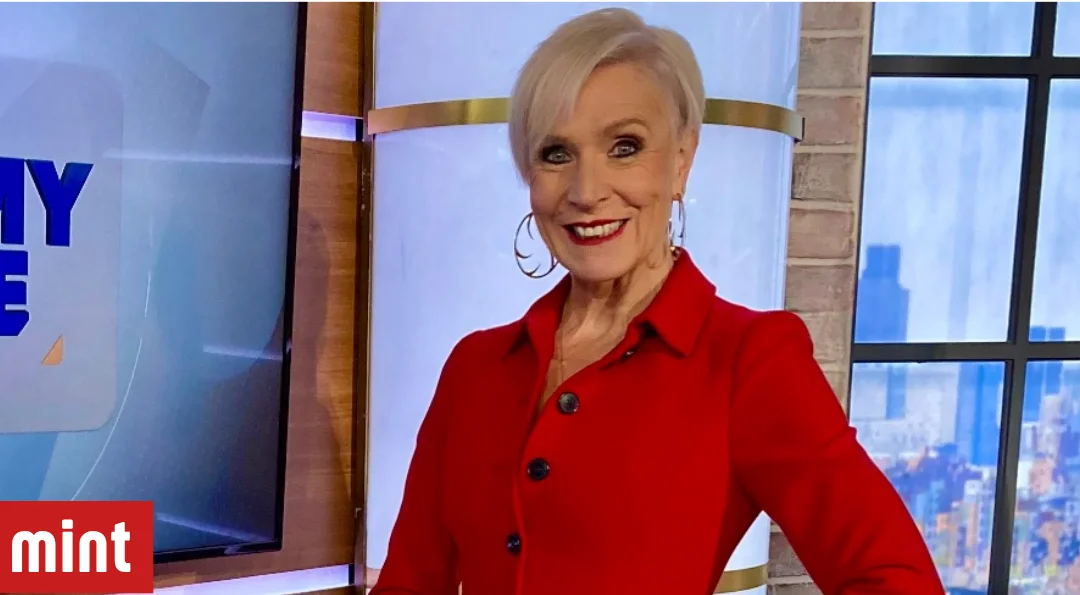
Searches for Dawn Neesom illness have generated rumours about the British journalist and broadcaster’s health. However, no reliable public statement reviewed for this article confirms that Neesom has received a specific medical diagnosis or lives with a serious illness.
Several online pages make the subject appear more certain than the evidence allows. In particular, some websites repeat general health claims without linking to a statement from Neesom, her representative, or a credible news organisation.
Other search results create confusion because they mention Neesom alongside an unwell colleague. For example, reports about Eamonn Holmes’s hospital treatment include comments from Neesom or describe her presenting in his absence. Those stories concern Holmes’s health, not hers.
Similarly, an emotional television moment does not prove physical or mental illness. People can cry, take time away from a programme, or discuss another person’s health without revealing a diagnosis of their own.
Therefore, the most accurate answer remains straightforward: Dawn Neesom has not publicly confirmed a specific illness in the reliable sources available for this review. That conclusion does not prove that she has perfect health. Instead, it means the public evidence does not support the diagnoses suggested by speculative websites.
Fact-checked using publicly accessible sources on August 12, 2026. This article reports public information and does not attempt to diagnose anyone.
Dawn Neesom Illness: Quick Answer
| Question | Evidence-based answer |
|---|---|
| Has Dawn Neesom confirmed a serious illness? | No reliable public confirmation was found |
| Has she announced a medical diagnosis? | Not in the credible sources reviewed |
| Do the supplied Eamonn Holmes stories concern her health? | No, they concern Holmes |
| Does an emotional television appearance prove illness? | No |
| Does a colleague’s absence establish that Neesom was ill? | No |
| Has she appeared in recent GB News programming? | Yes, the network lists recent programmes and appearances |
| Does recent television work prove perfect health? | No |
| Should readers trust unsourced diagnoses? | No |
| What is the responsible conclusion? | Her private medical status remains unconfirmed |
Most importantly, “no confirmed illness” does not mean “confirmed good health.” Medical information remains private unless the person or an authorised representative chooses to disclose it.
Is the Dawn Neesom Illness Story True?
At present, no strong primary source confirms a Dawn Neesom illness story.
A trustworthy confirmation would normally come from one of the following sources:
- Dawn Neesom’s verified social-media account
- An authorised representative
- Her employer quoting her directly
- A recorded interview in which she discusses the condition
- A reputable publication using attributable information
Instead, most pages targeting this keyword rely on vague wording. They may refer to “concerns,” “reports,” or “speculation” without identifying who made the claim or where it originated.
Consequently, those articles often create the impression of a health announcement while avoiding a clear, checkable statement. Repetition then makes the rumour look more established than it really is.
No responsible article should fill that evidence gap with assumptions. Therefore, readers should treat any named condition, treatment, prognosis, or recovery narrative as unconfirmed unless Neesom or an authorised source supports it.
What Has Dawn Neesom Publicly Said About an Illness?
The public material reviewed for this article does not contain a clear statement from Dawn Neesom announcing a specific illness.
One supplied competitor source links to a post on Neesom’s X account. However, a social-media link only proves a medical claim when its content clearly discusses that diagnosis and researchers can verify the account, wording, date, and context.
The linked post did not provide accessible text through the sources available for this review. Therefore, this article does not assign a medical meaning to it.
That approach matters because posts frequently discuss someone else’s health. A person might share support for a colleague, respond to a news report, promote a health campaign, or comment on NHS policy. None of those actions establishes a personal diagnosis.
Likewise, a photograph, short absence, emotional response, or change in appearance cannot confirm illness. Only Dawn Neesom can decide whether to reveal private medical information.
Why Are People Searching for Dawn Neesom Illness?
Search interest can grow without a confirmed event. In Neesom’s case, several factors may have encouraged the keyword.
First, she appears regularly in television discussions that cover health, hospitals, and public policy. Search engines can associate names with surrounding topics even when the story concerns another person.
Second, Neesom has commented publicly on colleagues’ health updates. Consequently, headlines may place her name close to words such as “hospital,” “stroke,” or “recovery.”
Third, entertainment websites often turn audience questions into articles. Once one page targets a phrase, other publishers may produce similar pages, even when no new evidence exists.
Finally, emotional television clips can attract curiosity. Viewers may search for an explanation after seeing a presenter cry or disappear briefly from a programme. Nevertheless, emotion and absence have many possible explanations.
Search volume shows what people want to know. It does not prove that the underlying suggestion is true.
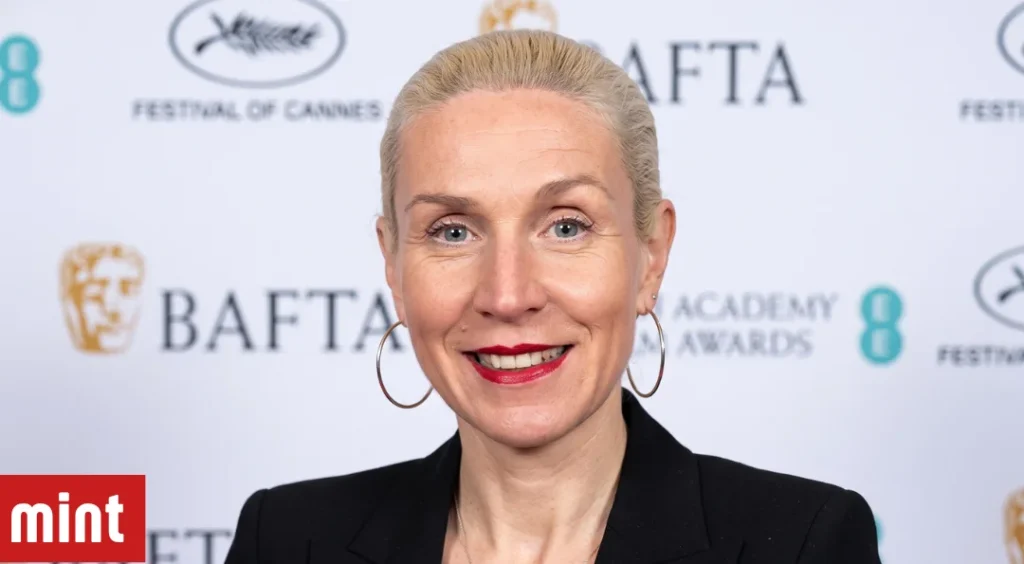
Dawn Neesom Illness Rumours and Eamonn Holmes
The largest source of confusion involves Eamonn Holmes.
Several supplied links discuss Holmes’s health, hospital treatment, mobility problems, or recovery. Dawn Neesom appears in those reports because she has worked with him, commented on his condition, or presented programming connected with the update.
For example, the GB News Dawn Neesom page includes a video in which she reflects on working with Holmes while he recovers in hospital. The subject’s placement on her presenter page can cause a careless reader to associate the hospital reference with Neesom.
However, the headline identifies Holmes as the patient.
In April 2026, GB News reported that Holmes had suffered a stroke and was recovering in hospital. Neesom then offered support and spoke warmly about their professional history. Again, that report concerned Holmes’s condition.
Earlier coverage created similar associations. For instance, an article might name Neesom because she joined a studio conversation about Holmes’s chronic pain or replied to his social-media update.
Therefore, readers should always identify the patient before drawing a conclusion from a headline.
A simple way to check the subject
Ask these questions when reading a health story:
- Who received the diagnosis?
- Whose representative supplied the update?
- Who went to the hospital?
- Does the article quote Neesom discussing herself?
- Does her name appear only because she reacted or presented the story?
If the patient is Eamonn Holmes, the page cannot support a claim about Dawn Neesom’s health.
Why the Eamonn Holmes Links Do Not Confirm Dawn Neesom’s Illness
The Daily Mail, MSN, GB News, and related links supplied for this article focus mainly on Eamonn Holmes.
Some describe his falls, hospital visits, mobility difficulties, back problems, or later stroke. Meanwhile, Neesom appears as a friend, colleague, commentator, or substitute presenter.
These distinctions matter:
| Headline element | Person it concerns |
| Hospital recovery | Eamonn Holmes |
| Stroke report | Eamonn Holmes |
| Back surgery and mobility problems | Eamonn Holmes |
| Eye procedure or eye patch | Eamonn Holmes |
| Message of support | Dawn Neesom responding to Holmes |
| Reflection on their broadcasting career | Dawn Neesom discussing Holmes |
As a result, those articles help explain why people encountered Neesom’s name near medical language. Nevertheless, they provide no evidence of her own diagnosis.
A credible health profile must follow the evidence to the correct person. Otherwise, the page risks spreading false and sensitive personal information.
Did Dawn Neesom Cry Because She Was Ill?
No public evidence shows that an emotional television moment resulted from a disclosed illness.
One competitor link describes a GB News segment involving Dawn Neesom and Stephen Dixon. Yet related coverage shows that emotional reactions on their programmes have occurred during human-interest stories, discussions about financial hardship, and light-hearted studio moments.
For example, GB News reported Stephen Dixon becoming emotional while discussing a viewer’s life-changing prize. Neesom responded to the social and financial circumstances behind the story.
Crying can reflect empathy, sadness, happiness, stress, laughter, or a personal memory. Therefore, viewers cannot use tears as medical evidence.
Moreover, a television clip presents only a few minutes of someone’s day. It does not provide medical tests, clinical context, or permission to speculate about a diagnosis.
The responsible conclusion is simple: an emotional appearance does not confirm a Dawn Neesom illness.
Isabel Webster’s Health Update Is a Separate Story
Another supplied link concerns presenter Isabel Webster.
That page cannot verify Neesom’s health because Webster is a different person. However, search engines may group the story with Dawn Neesom because both women have appeared on GB News and worked with some of the same presenters.
This type of entity confusion occurs frequently in celebrity and broadcaster searches. A website may list related stories beneath the main article, while search snippets combine several names and subjects.
Therefore, readers should check the headline, opening paragraph, quoted speaker, and patient’s name. Those details usually clarify which person the health update concerns.
In short, Isabel Webster’s disclosure belongs to Isabel Webster. It should not appear as evidence in a Dawn Neesom illness article.
Do Dawn Neesom’s Television Appearances Reveal Her Health?
Recent public appearances show that Neesom has continued her broadcasting work. However, they cannot reveal her complete medical status.
The official GB News presenters directory includes Dawn Neesom among the network’s presenters. In addition, her individual GB News page lists editions of Good Afternoon Britain and other recent appearances.
A June 2026 GB News report also shows Neesom interviewing a government minister. Consequently, the public record demonstrates ongoing professional activity around the time covered by this review.
Still, work does not prove perfect health. Many people continue working while managing private medical conditions. Others change schedules for reasons unrelated to illness.
Therefore, the evidence supports only a limited statement: Dawn Neesom has maintained a visible media presence. It does not allow outsiders to diagnose her or rule out every possible health concern.
Who Is Dawn Neesom?
Dawn Neesom is an English journalist, newspaper editor, columnist, and broadcaster.
She became editor of the Daily Star in 2003 and held the position for roughly 15 years. The Press Awards profile describes her as a freelance journalist and broadcaster and identifies her as a former Daily Star editor.
The Guardian has also described Neesom as the longest-serving female editor of a national newspaper when reporting her departure from the title.
After leaving the editor’s position, she continued working in print, radio, and television. More recently, audiences have seen her present and contribute to GB News programming.
This established public career explains why viewers search for personal updates about her. Nevertheless, professional prominence does not remove her right to medical privacy.
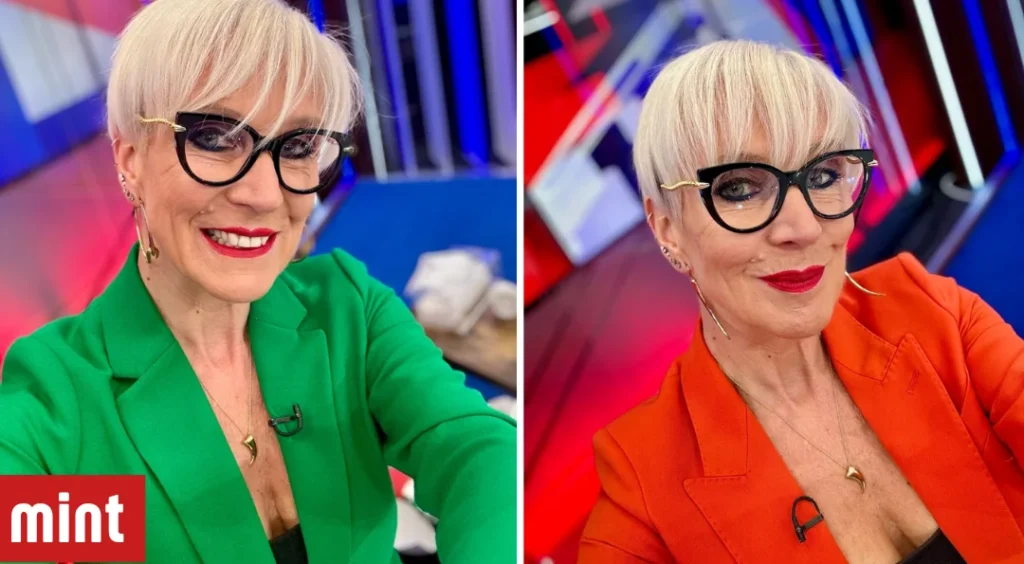
Dawn Neesom’s professional profile
| Category | Publicly supported detail |
| Profession | Journalist and broadcaster |
| Former senior role | Editor of the Daily Star |
| Current television connection | GB News presenter and contributor |
| Business entity | Dawn Neesom Ltd |
| Company classification | Other publishing activities |
| Confirmed personal illness | No specific diagnosis found |
Companies House lists Dawn Neesom Ltd as an active company under publishing activities. However, company records provide business information, not personal medical details.
Verified Facts and Unconfirmed Claims
The following table separates what public sources support from what remains speculative.
| Claim | Available evidence | Status |
| Dawn Neesom works as a journalist and broadcaster | GB News and Press Awards profiles | Verified |
| She previously edited the Daily Star | Established media and professional records | Verified |
| GB News lists her among its presenters | Official GB News directory | Verified |
| She has recently appeared in GB News programming | Official programme and article pages | Verified |
| She commented on Eamonn Holmes’s health | GB News reporting | Verified |
| Eamonn Holmes received hospital treatment | Reports concern Holmes, not Neesom | Verified but unrelated to her health |
| Neesom has publicly announced a named illness | No adequate primary evidence found | Unconfirmed |
| She has received treatment for a serious condition | No reliable supporting source found | Unconfirmed |
| Tears on television prove a health condition | No medical basis for that conclusion | Unsupported |
| Her schedule proves she has perfect health | Public work cannot establish that | Unsupported |
| Online net-worth or biography pages know her medical history | No evidence of privileged access | Unsupported |
This distinction improves accuracy because it prevents a real event involving one person from becoming a false claim about another.
How Dawn Neesom Illness Rumours Spread Online
Online health rumours often follow a predictable pattern.
First, a vague question appears in search suggestions, forums, or social posts. Next, a website publishes an article that repeats the question without supplying a firm answer.
Afterward, other websites use the same keyword and paraphrase the earlier page. Consequently, several matching articles appear in search results.
Readers may then assume that multiple pages mean multiple sources confirmed the story. In reality, every page may trace back to the same unsupported suggestion.
Celebrity content also encourages dramatic titles. Phrases such as “health battle,” “fans concerned,” and “tragic update” can attract clicks even when the article contains no diagnosis.
Therefore, readers should look beyond the title. A dependable report should identify the original statement, publication date, speaker, context, and evidence.
Why Search Results Can Mix Different GB News Presenters
Entity confusion happens when several public figures appear in the same programme or article.
Dawn Neesom has worked alongside or discussed presenters such as:
- Eamonn Holmes
- Stephen Dixon
- Isabel Webster
- Ellie Costello
- Anne Diamond
If one presenter experiences a health problem, reports may mention several colleagues. Search engines then see all those names on pages containing medical terminology.
Moreover, related-story sections can place unrelated health headlines on the same page. A Neesom article may recommend a story about Webster, Holmes, or another broadcaster.
That connection helps users discover content, but it does not merge the people’s medical histories.
Writers should therefore use clear entity relationships:
- Dawn Neesom commented.
- Eamonn Holmes received the health update.
- Isabel Webster discussed her own condition.
- Stephen Dixon reacted emotionally.
- GB News published the reports.
Clear subject–action–object sentences help readers and AI systems identify the correct person.
How to Check a Celebrity Health Claim
Use the following process before trusting or sharing a health story.
1. Find the original statement
First, look for the person’s verified account, a recorded interview, or a representative’s statement. Screenshots without links provide weaker evidence because editors can alter or remove context.
2. Identify the patient
Next, determine who actually received the diagnosis or treatment. A colleague who comments on the story is not the patient.
3. Check the publication date
Older stories often reappear after a new television appearance. Therefore, confirm whether the article reports a new development or recycles an earlier event.
4. Read beyond the headline
Headlines frequently emphasise concern or emotion. However, the article body may reveal that no medical diagnosis exists.
5. Compare independent sources
Reliable outlets should provide compatible facts and identify their evidence. Ten websites repeating the same unsourced paragraph do not equal ten confirmations.
6. Avoid visual diagnosis
Photos and videos cannot establish most medical conditions. Lighting, makeup, camera angles, fatigue, and natural changes can affect someone’s appearance.
7. Respect uncertainty
Finally, use wording such as “not publicly confirmed” when evidence remains absent. Do not replace uncertainty with a reassuring claim that the person is completely healthy.
Why Medical Privacy Matters
Public figures retain a right to privacy around health information.
A presenter may share a diagnosis because it helps explain an absence or raises awareness. Alternatively, that person may keep the information private.
Neither decision permits outsiders to invent missing details.
Medical rumours can also cause harm. For instance, they may worry relatives, mislead audiences, damage professional relationships, or attach a permanent false diagnosis to someone’s name.
Furthermore, health information carries more sensitivity than ordinary celebrity trivia. Writers should use strong sourcing, restrained language, and precise attribution.
The correct standard is not “Can this claim attract clicks?” Instead, publishers should ask, “Can reliable evidence support every medical statement on this page?”
Has Dawn Neesom Taken a Break From Broadcasting?
No source reviewed here links a significant broadcasting break to a confirmed illness.
Television schedules change for many reasons, including holidays, programme rotations, freelance commitments, production decisions, and personal time. Therefore, absence from one edition cannot establish poor health.
Conversely, an appearance does not prove complete health. It only confirms that the person participated in that particular programme.
The available GB News pages show Neesom maintaining public professional activity. However, she has not used those appearances to announce a specific diagnosis in the material reviewed for this article.
Does Dawn Neesom Have Cancer?
No reliable public source reviewed for this article confirms that Dawn Neesom has cancer.
Some confusion may come from a past GB News discussion in which Neesom spoke about people she knew who had received cancer diagnoses. In that conversation, she criticised delays in accessing GP services.
However, talking about friends or NHS patients does not mean the speaker has the same condition.
Therefore, websites should not describe Neesom as having cancer unless she or an authorised representative publicly confirms it.
Has Dawn Neesom Had a Stroke?
No reliable evidence reviewed here confirms that Dawn Neesom has suffered a stroke.
The stroke reports in the supplied competitor material concern Eamonn Holmes. Neesom delivered or discussed updates because she knew and worked with him.
As a result, search snippets may display her name close to the word “stroke.” Nevertheless, the patient in those stories is Holmes.
Writers should not transfer that diagnosis to Neesom.
Is Dawn Neesom Currently Unwell?
The public record does not provide enough evidence to answer that question definitively.
No trustworthy source reviewed here confirms a current illness. At the same time, outsiders cannot use television appearances to certify someone’s complete health.
Accordingly, the safest answer is that Dawn Neesom’s current medical status remains private unless she chooses to provide an update.
This wording avoids two opposite errors. It neither promotes an unsupported illness story nor claims access to her private health records.
FAQs About Dawn Neesom Illness
What illness does Dawn Neesom have?
No reliable public source reviewed for this article identifies a specific illness. Therefore, claims that name a condition remain unconfirmed.
Has Dawn Neesom announced a health condition?
No verified announcement was found in the accessible primary and reputable media sources. However, she may choose to keep personal medical information private.
Is Dawn Neesom seriously ill?
The available evidence does not support that claim. Consequently, readers should not interpret online rumours as a diagnosis.
Why do searches connect Dawn Neesom with illness?
Several reports mention Neesom while covering colleagues’ health. In particular, articles about Eamonn Holmes place her name near hospital, recovery, and stroke terminology.
Did Dawn Neesom have a stroke?
No credible report reviewed here says that she suffered a stroke. Instead, the supplied stroke stories concern Eamonn Holmes.
Does Dawn Neesom have cancer?
No reliable source reviewed here confirms a cancer diagnosis. Although she has discussed cancer and NHS delays, those comments concerned people she knew and broader healthcare issues.
Was Dawn Neesom crying because of an illness?
No public evidence supports that conclusion. For example, presenters can become emotional during human-interest stories without experiencing a medical crisis.
Is Dawn Neesom still working at GB News?
GB News lists her among its presenters and provides recent programme pages featuring her. Nevertheless, schedules can change, so readers should check the network’s current listings.
Does Dawn Neesom’s recent work prove she is healthy?
No. Public appearances demonstrate professional activity, but they cannot reveal someone’s entire medical status.
Can social-media posts confirm her health?
A verified first-person post can confirm what she chooses to disclose. However, comments about another person, screenshots without context, and fan speculation cannot establish a diagnosis.
Final Answer on the Dawn Neesom Illness Search
No reliable evidence reviewed for this article confirms that Dawn Neesom has publicly disclosed a specific illness.
Instead, much of the confusion comes from articles about other GB News presenters. Eamonn Holmes’s hospital treatment and stroke generated several reports that included comments from Neesom. Similarly, stories involving Isabel Webster or emotional studio moments concern separate people and events.
Recent professional appearances show that Neesom has continued working publicly. Nevertheless, those appearances cannot prove perfect health, just as an absence cannot prove illness.
Therefore, the responsible conclusion respects both evidence and privacy: Dawn Neesom has not publicly confirmed a specific medical condition in the reliable sources reviewed, and readers should treat named diagnoses as speculation unless she provides an attributable update.
Learn More At: thefamemint.com