
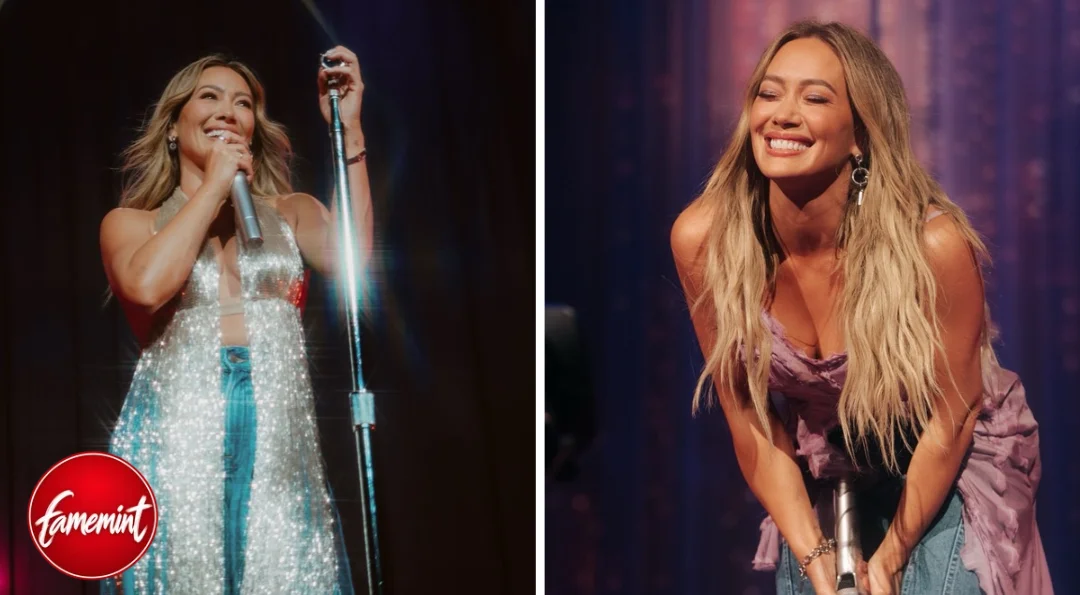
Before “So Yesterday,” “Come Clean” or the music from The Lizzie McGuire Movie, Hilary Duff recorded a song for the television series that made her famous. Her first released recording was “I Can’t Wait,” which appeared on the Lizzie McGuire soundtrack in 2002.
The second part of the question is harder to answer. If “what did the song cost her?” means how much Duff personally paid to record it, no reliable public figure has been disclosed. Walt Disney Records released the soundtrack, but the available information does not establish Duff’s recording expenses, payment or share of its earnings. Assigning a dollar amount would be a guess.
What is documented is the song’s place in her career. It was her first step into recorded music while audiences primarily knew her as an actress.
Why “I Can’t Wait” counts as her first song
Duff starred in Disney Channel’s Lizzie McGuire, playing a teenager whose everyday worries and friendships made the series popular with young viewers. When Walt Disney Records assembled a soundtrack for the show, Duff contributed “I Can’t Wait.” The song appeared as the first track on the album, ahead of recordings by other artists.
The Walt Disney Records soundtrack listing identifies “I Can’t Wait” as Duff’s performance. In an announcement issued when the soundtrack was released in August 2002, the label described it as her musical debut. Duff also said at the time that she had never recorded a song before.
That makes “I Can’t Wait” a stronger answer than simply naming her first album or her most remembered movie song. It identifies an actual recording from the beginning of her music career, not a later hit that became more famous.
There is a distinction worth keeping: “first released recording” does not mean Duff wrote her first original song in 2002. “I Can’t Wait” was a recording made for a soundtrack. Calling it her first song refers to her debut as a recording artist, not to the first piece of music she ever sang privately.
What did the recording cost Hilary Duff?
There is no verified public answer in dollars. The 2002 release announcement gave a date for the soundtrack and discussed Duff’s contribution, but it did not provide a recording budget or say that Duff paid for the session herself.
A song can involve studio time, musicians, production, mixing and other expenses. Knowing that such costs exist, however, tells us nothing about who paid a particular bill. A record label may arrange and finance a release under terms that are not visible to the public. Without Duff’s contract or a direct statement from someone involved, it would be misleading to turn a general industry practice into a claim about her finances.
The soundtrack’s price in a shop would not answer the question either. What a customer paid for the album is different from the cost of making Duff’s track, and both are different from what she may have earned for singing it. Those figures should not be treated as interchangeable.
Duff did describe another kind of cost: effort. In the Walt Disney Records announcement, she said the experience was enjoyable but also hard work, and that she was proud of what she accomplished. That is her own assessment of the session. It does not imply that the song caused a financial loss or that she paid a particular amount to launch her career.
Why fans sometimes name a different song
Several early Hilary Duff releases sit close together in listeners’ memories. Her first album, Santa Claus Lane, arrived later in 2002. Its title track and other holiday recordings belong to the start of her discography, but the Lizzie McGuire soundtrack had already introduced her voice on record.
Then came The Lizzie McGuire Movie in 2003. Its music gave Duff a bigger connection between her screen role and a pop career. “Why Not” and “What Dreams Are Made Of” are closely associated with that moment, which is why some fans remember them as the beginning. They were important early songs, but they were not her first released recording.
The confusion is understandable. People often mean different things by “first song.” One person may mean the first track an artist recorded. Another may mean the first single they remember hearing, the first song from a solo album or the first major hit. In Duff’s case, those answers point to different stages of a rapidly developing career.
Did “I Can’t Wait” make her a pop star?
It is more accurate to call the song a beginning than to credit it alone with everything that followed. Duff already had a large audience through Lizzie McGuire. The soundtrack allowed that audience to hear her as a singer and gave Walt Disney Records an opportunity to release more of her music.
Her later recordings expanded that opportunity. Santa Claus Lane established her as an album artist, while the movie soundtrack and her 2003 album Metamorphosis brought songs that became far more prominent in her public identity. “I Can’t Wait” came before those releases. It matters because it shows where the recorded music began, even if later hits are easier to recall.
Nor is there evidence that the song “cost her” an acting role or damaged her career. Her move into music happened alongside her screen work. Any claim that this particular track caused a personal or professional setback would need evidence that the public record does not provide.
The answer
Hilary Duff’s first released recording was “I Can’t Wait” on the 2002 Lizzie McGuire soundtrack. She said it was her first time recording a song and described the work involved as demanding but rewarding.
If the question is how much it cost her financially, the honest answer is that the amount is not publicly known. The song’s documented significance is not an invented price tag. It is the recording that introduced Hilary Duff as a singer before her better known pop releases arrived.