
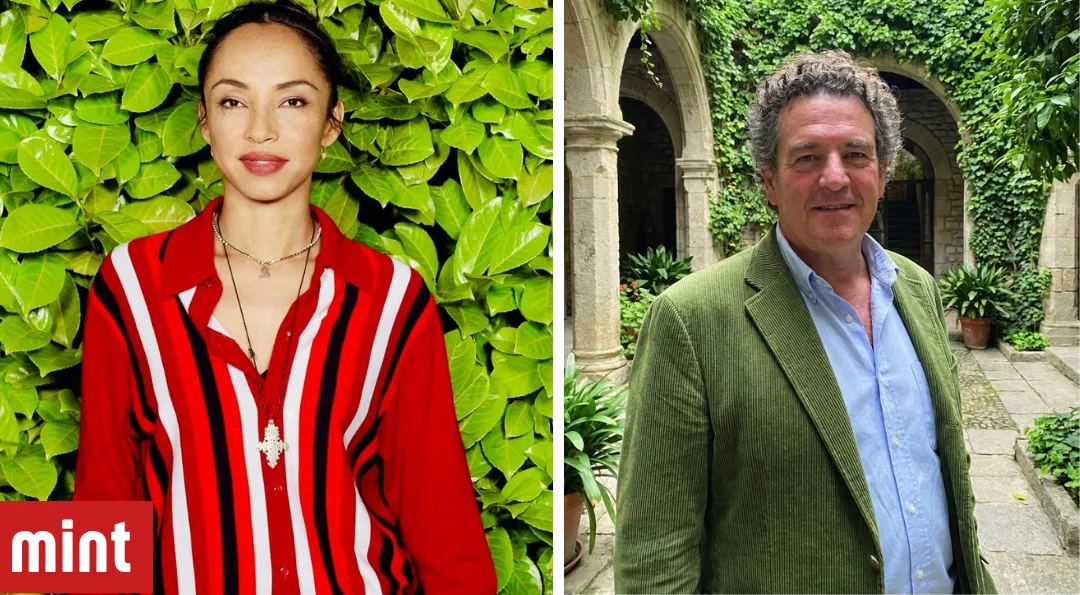
Carlos Scola Pliego is a Spanish filmmaker whose career includes continuity work, assistant directing, writing, producing, and documentary direction. He is also known as the former husband of British-Nigerian singer Sade Adu. Although that marriage drives much of today’s search interest, his screen credits show that he had already spent years working behind the camera.
However, his public record is unusual. Film databases preserve a meaningful production history, yet conventional biographical details such as his birthday, education, family background, and current residence remain unavailable. Moreover, sources disagree about the exact date of his 1989 wedding to Sade. As a result, a useful biography must combine career detail with careful limits.
Therefore, this article traces Scola’s work from Spanish productions of the late 1970s through his African documentaries and later film assignments. It then explains how his professional path crossed Sade’s, what is known about their Madrid years, and why claims about his age, children, wealth, and life today require caution.
Who Is Carlos Scola Pliego?
First, Carlos Scola Pliego is a Spanish film professional credited in several behind-the-camera roles. Film records commonly shorten his name to Carlos Scola, while at least one major production credits him under his full name. His résumé includes work as a script supervisor, assistant director, director, writer, producer, and dialogue coach.
Moreover, the official Sade biography identifies him as a Spanish film director and confirms their 1989 marriage. Meanwhile, his IMDb professional record supplies the clearest consolidated filmography. Together, those sources establish an identity that extends beyond celebrity marriage coverage.
Nevertheless, Scola was not an on-screen star, and most of his jobs belonged to production departments that receive less public attention. His two best-defined directing projects are documentaries released in 1988 and 1989. Therefore, “Spanish filmmaker and documentary director” describes the verified record more precisely than either “celebrity” or simply “Sade’s ex-husband.”
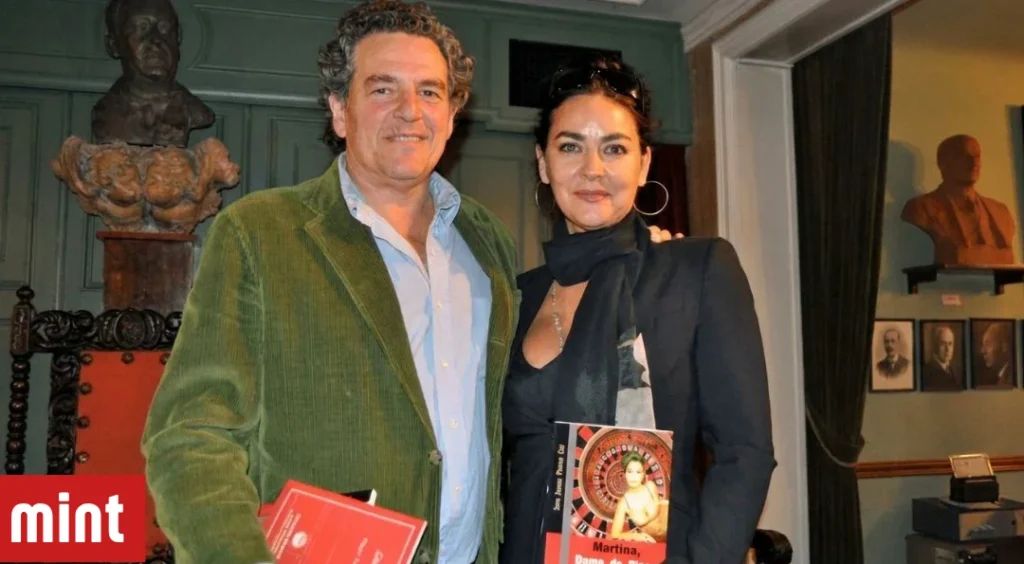
Carlos Scola Pliego Facts at a Glance
| Question | Best-supported answer |
|---|---|
| Profession | Spanish film professional and documentary director |
| Credited names | Carlos Scola and Carlos Scola Pliego |
| Early screen work | Script continuity and assistant directing |
| Documentary credits | Ngira: Gorilas en la montaña and Donde termina el corazón |
| Connection to Sade | Her former husband and an assistant director on videos from the Promise period |
| Marriage year | 1989 |
| Marriage endpoint | Commonly reported as 1995 |
| Children together | None publicly documented |
| Exact age | Not reliably published |
| Current work | Not established by recent authoritative coverage |
| Net worth | No evidence-based public estimate |
Importantly, this summary separates a missing fact from a negative one. For example, an unknown current job does not mean Scola retired. Instead, it means recent authoritative sources do not document his present activity.
From Continuity Work to Assistant Directing
First, Scola’s film record begins with continuity work in the late 1970s. A script supervisor tracks dialogue, props, costumes, movements, and visual details so scenes filmed out of order remain consistent. It is a demanding production role, but it differs from directing.
Credits associate Carlos Scola with continuity on La boda del señor cura in 1979 and Ópera prima in 1980. Next, he moved into assistant-director positions. That department helps translate a director’s creative plan into a workable shooting schedule while coordinating cast, crew, locations, and set operations.
By 1981 and 1982, his record included second-assistant-director work on Dos y dos, cinco and Black Commando. Consequently, the filmography shows professional progression rather than a sudden appearance after he met Sade. It also explains why reducing his career to two documentaries misses the production experience that preceded them.
Carlos Scola Pliego Film Credits in the 1980s
Next, the early 1980s brought work on several genre films and international projects. Credits list Scola in assistant-director roles on Hundra, G’olé!, and Scarab. Databases also connect him to Curse of the Pink Panther and the James Bond film Never Say Never Again, although those entries carry an uncredited designation.
That qualifier matters. An uncredited crew assignment may reflect genuine production work, but the person’s name did not appear in the released on-screen credits. Therefore, a careful filmography should not present credited and uncredited roles as identical forms of evidence.
Moreover, in 1985, Scola worked as an assistant director in Spain on Eleni and the television miniseries Christopher Columbus. These assignments place him within international productions operating partly in Spain. Additionally, they show that his experience extended beyond Spanish-language documentaries.
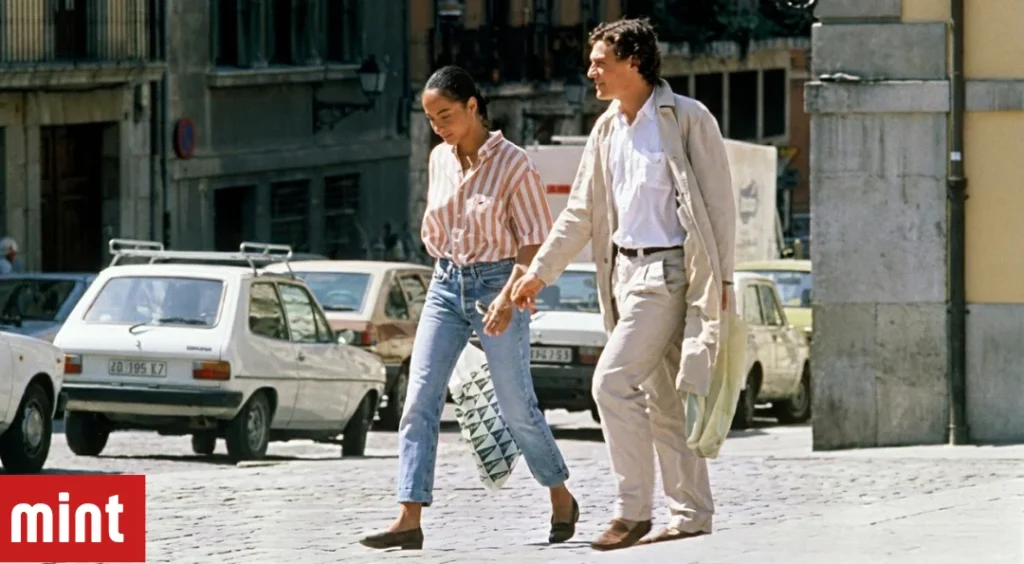
International Productions and Work in Spain
For example, the full credits for Christopher Columbus provide an especially useful identity check. They list Carlos Scola as an assistant director in Spain and show that the production credited him as Carlos Scola Pliego. This directly links the shortened professional name with the full name used in Sade biographies.
The miniseries featured an international cast and filmed across several locations. An assistant director assigned to Spain would have helped coordinate the Spanish portion of that complex production. However, the credit does not mean Scola directed the series or controlled its overall creative vision.
Similarly, his work on international features should remain described according to the specific department and rank recorded. That distinction gives readers a more accurate understanding of a filmmaking career built across continuity, logistics, and creative roles rather than inflating every job into a director credit.
The Documentary Turn in Carlos Scola Pliego Career
Afterward, Scola moved from years in production departments into documentary authorship. In 1988, he co-directed and wrote Ngira: Gorilas en la montaña. The following year, he directed and wrote the longer Donde termina el corazón.
Both works focused on Africa, and cinematographer Javier Aguirresarobe appears in their records. Moreover, both came from Creativos Asociados de Radio y Televisión, commonly abbreviated CARTEL. The shared production setting and subject matter make the projects a coherent phase in Scola’s career.
Still, they should not be merged into one film. Ngira is a short documentary centered on mountain gorillas, whereas Donde termina el corazón is a feature-length journey through contrasting African environments and communities. Together, they show a shift from production support to projects where Scola held direct creative responsibility.
Ngira: Gorilas en la montaña
Specifically, the film record for Ngira: Gorilas en la montaña identifies it as a 25-minute Spanish documentary released in 1988. It lists Carlos Scola as director and writer, with production details connecting the shoot to the Democratic Republic of the Congo.
The title’s use of “Ngira” and its mountain-gorilla subject place wildlife at the center of the project. However, limited surviving coverage makes a detailed critical assessment difficult. Reliable records support its year, length, format, location, and key creators more strongly than claims about awards, commercial success, or long-term influence.
Therefore, the documentary matters mainly as a verified creative milestone. It marks Scola’s move from assistant-director work to co-authorship and direction shortly before his better-documented feature-length project.
Donde termina el corazón
Next, released in 1989, Donde termina el corazón runs approximately 95 minutes. Its film listing credits Carlos Scola as director and writer and describes a view of Africa ranging from the Ituri Forest to Nairobi’s suburbs.
The film also appears in Universidad Rey Juan Carlos research on Spanish documentary cinema. That research discusses Scola’s portrayal of contrasting ways of life and human conditions. However, it also notes the absence of evidence for a substantial commercial release or major impact.
Thus, the documentary is historically traceable without being widely famous. It gives Scola a clear feature-directing and writing credit, but available evidence does not justify describing it as a box-office success, award winner, or landmark release.
Carlos Scola Pliego Filmography Overview
| Year | Production | Documented role |
|---|---|---|
| 1979 | La boda del señor cura | Script supervision or continuity |
| 1980 | Ópera prima | Script supervision or continuity |
| 1981 | Dos y dos, cinco | Second assistant director |
| 1982 | Black Commando | Second assistant director |
| 1983 | Hundra, G’olé!, Scarab | Assistant-director department roles |
| 1985 | Eleni | Assistant director in Spain |
| 1985 | Christopher Columbus | Assistant director in Spain, credited as Carlos Scola Pliego |
| 1988 | Ngira: Gorilas en la montaña | Co-director, writer, and producer |
| 1989 | Donde termina el corazón | Director and writer |
| 2001 | Capitães da Areia | Producer |
| 2007 | Goal II: Living the Dream | Dialogue coach |
Importantly, the table presents representative verified work rather than claiming to be a complete production archive. Additionally, uncredited database associations need their original qualifier whenever discussed.
Later Production and Language Work
Meanwhile, Scola’s searchable credits did not end with his marriage or his 1989 documentary. IMDb associates him with production on the 2001 television project Capitães da Areia. Later, it lists him as a dialogue coach on Goal II: Living the Dream in 2007.
Dialogue coaching differs from directing. Depending on a production’s needs, a coach may help performers with pronunciation, language, accent consistency, or delivery. Therefore, this later credit suggests continued specialist participation in filmmaking, not necessarily a return to directing.
These entries also challenge the repeated claim that Scola vanished from the industry immediately after his divorce. Publicity may have declined, but later credits exist. At the same time, no strong recent source establishes whether he continued working after 2007 or formally retired.
How Carlos Scola Pliego Met Sade
For example, the clearest account comes from El País reporting on Sade’s Madrid years. It says three videos connected to her 1985 album Promise had Scola working as an assistant director. Thus, their paths crossed through audiovisual production rather than through an unexplained celebrity introduction.
Sade was already internationally successful, but touring, fame, and personal loss placed her under considerable pressure. According to the report, she later sought a quieter period in Madrid, reconnected with Scola, and entered a relationship with him.
However, many later profiles add intimate dialogue, precise first-meeting scenes, or claims about immediate attraction. Those details lack comparable support. The responsible account is simpler: professional video work created the connection, Madrid brought them together again, and their relationship led to marriage in 1989.
Sade’s Move to Madrid
Meanwhile, Madrid became an important setting in the relationship. El País describes Sade’s move from England as a response to exhaustion, intense attention, and the death of her father. There, she and Scola reconnected while he was developing his audiovisual career.
The timing also overlapped with Sade’s work on Stronger Than Pride, released in 1988. Reports say Scola accompanied her during recording sessions in France. Nevertheless, that personal presence should not be converted into an album-production credit unless the official recording credits establish one.
Sade has long limited access to her private life. Her official biography notes her discomfort with intrusive media coverage and her reluctance to participate in conventional celebrity promotion. Consequently, surviving accounts of the Madrid period provide a broad chronology but relatively few independently verifiable domestic details.
Carlos Scola Pliego and Sade Adu Marriage
Moreover, Sade’s official website confirms that she married Spanish film director Carlos Scola Pliego in 1989. The Wikipedia biography of Sade, included here as the required general reference, places the marriage in the same year and reports that it ended in 1995.
Period descriptions refer to a wedding in a Spanish castle, but a clearly identified venue does not appear in the strongest sources reviewed. Therefore, the setting can be described as reported rather than definitively named.
The marriage coincided with a mature stage in both careers. Sade had released three successful albums, while Scola had moved from assistant-director work to documentary direction. Still, there is no basis for treating their careers as a joint business. Their professional paths intersected, but each retained separate credits.
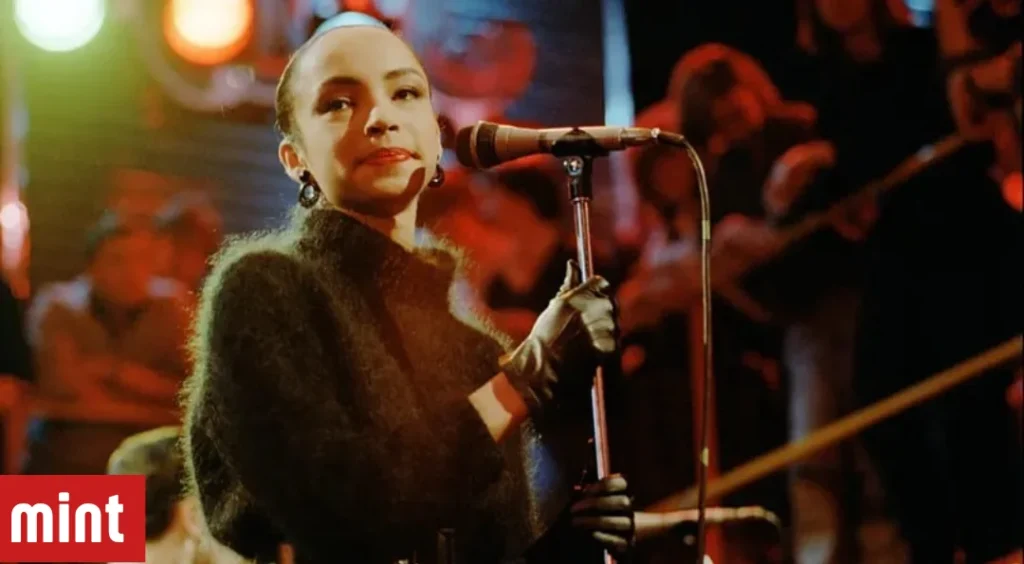
Why the Exact Wedding Date Remains Unclear
However, several pages publish a precise wedding date as though the record were settled. Yet reputable sources conflict. IMDb lists February 11, 1989, whereas El País describes an October 1989 wedding. Sade’s official biography confirms only the year.
When sources disagree, the best editorial choice is not to select whichever date appears most often. Repetition may come from copying, and neither precision nor popularity guarantees accuracy. Instead, the article should preserve the fact supported by all three accounts: the couple married in 1989.
This is a useful example of responsible biography writing. A year can be well supported even when the day and month remain disputed. Unless a marriage record or first-person confirmation resolves the conflict, 1989 is the most defensible answer.
When and Why the Marriage Ended
Similarly, the marriage is widely reported to have ended in 1995. However, available sources do not consistently distinguish the date of separation from the date of a completed legal divorce. For that reason, “ended in 1995” is safer than assigning a precise filing or judgment date.
The reasons also remain private. Some articles portray the relationship as turbulent and repeat dramatic accounts about Sade leaving Madrid. Nevertheless, the strongest sources do not provide a complete, jointly confirmed explanation. Sade’s limited comments indicate that the period was painful, but they do not authorize writers to diagnose the marriage or assign fault.
Accordingly, career pressure, personality conflict, or other proposed causes should not be stated as fact. The verified conclusion is that the marriage ended; the full private circumstances are not public.
Did Carlos Scola Pliego and Sade Have Children?
Importantly, no reliable biography identifies a child from Scola and Sade’s marriage. Sade’s child, Izaak Theo Adu, was born in July 1996, after the marriage had ended, during her later relationship with Jamaican music producer Bob Morgan.
Therefore, Izaak should not be listed as Carlos Scola Pliego’s child. This timeline is important because some pages place information about Sade’s family beside Scola’s name without clearly explaining the parentage.
There is also no trustworthy public evidence reviewed here showing that Scola has children from another relationship. Consequently, the careful answer has two parts: he and Sade had no publicly documented children together, and his broader family status remains unknown.
What Happened After the Divorce?
Afterward, Scola received far less attention from music and celebrity media. However, his film record includes later work. A 2001 producing credit and a 2007 dialogue-coach credit show that his documented production activity extended beyond the marriage.
What happened personally is less clear. No authoritative recent profile establishes a second marriage, a new partner, children, or a particular home. Likewise, no first-person interview reviewed here explains how he viewed the divorce or the attention surrounding Sade.
Therefore, saying that he “disappeared” overstates the evidence. Public coverage became sparse, but sparse coverage is not the same as absence from professional or personal life. It simply limits what a responsible modern biography can confirm.
Carlos Scola Pliego Age and Early Life
However, Scola’s exact birth date and age do not appear in the strongest film or biographical sources reviewed. Spanish identity and a Madrid connection have support, but pages that add a particular hometown, birthday, parents, siblings, religion, or educational history rarely show where those details originated.
Moreover, a professional timeline cannot safely produce a birth year. Knowing that someone worked on a film in 1979 establishes activity by that date, not an exact age. Estimates based on appearance, marriage dates, or presumed career stages would be speculation.
As a result, no definitive age belongs in a fact table. The same caution applies to childhood ambitions and film-school claims. His credits demonstrate learned production expertise, but they do not reveal where or how he acquired it.
Carlos Scola Pliego Net Worth
Similarly, no evidence-based net-worth estimate is publicly available. Some biography sites assign a large figure, occasionally tens of millions of dollars, without identifying income records, company ownership, property, investments, debts, or contractual earnings.
Sade’s commercial success cannot be used as a substitute. Marriage does not make one spouse’s career revenue a permanent measure of the other spouse’s present assets. Moreover, no reliable public settlement document reviewed for this article supports a calculation based on their divorce.
Therefore, any exact Carlos Scola Pliego net worth should be treated as conjecture. His filmography confirms work, but credits alone cannot reveal compensation or current wealth. “Not publicly known” is the only responsible answer.
Name Variations in Film Records
In contrast, the name question is easier to resolve than many private details. Most film pages use Carlos Scola, while Christopher Columbus credits him as Carlos Scola Pliego. IMDb also lists the full form as an alternate name on the same professional profile.
Meanwhile, Sade biographies sometimes shorten his name to Carlos Pliego. These variations do not indicate three different husbands or filmmakers. They reflect the selective use of a compound Spanish surname and a shorter professional credit.
For search clarity, this article uses Carlos Scola Pliego as the main name and Carlos Scola when discussing the form displayed in film records. It does not add unsupported middle names or alternative identities.
What Is Known About His Life Today?
Finally, there is no recent authoritative account of Scola’s current occupation, residence, health, or relationships. His most recent widely indexed film credit appears to be the 2007 dialogue work on Goal II: Living the Dream. However, a last visible credit does not prove retirement.
Similarly, limited interviews do not prove that he intentionally chose seclusion, dislikes publicity, or lives a particular lifestyle. Those descriptions infer personality from an absence of coverage. A filmmaker who primarily worked behind the camera may simply have generated fewer profiles than a globally famous singer.
Thus, the present-day answer remains limited: Scola has a documented historical film career, but his current circumstances are not reliably public. Future interviews, official biographies, or archival records could expand that answer.
Frequently Asked Questions About Carlos Scola Pliego
What Does Carlos Scola Pliego Do?
He has worked as a film professional across continuity, assistant directing, directing, writing, producing, and dialogue coaching. However, his current occupation has not been established by a recent authoritative source.
Is Carlos Scola Pliego a Film Director?
Yes. He directed or co-directed Ngira: Gorilas en la montaña and Donde termina el corazón. Nevertheless, much of his earlier career consisted of assistant-director and continuity work rather than primary directing.
When Did Carlos Scola Pliego Marry Sade?
The confirmed year is 1989. Sources disagree about the exact day and month, so a precise date should not be presented as settled without stronger documentary evidence.
How Long Were Sade and Carlos Scola Married?
Their marriage ran from 1989 until its reported end in 1995, a period of roughly six years. Public sources provide less certainty about any earlier separation date.
Why Did Sade and Her First Husband Divorce?
The full reason has not been publicly established. Although later accounts describe a painful period, reliable evidence does not support assigning fault or presenting a speculative cause as fact.
Did the Former Couple Have a Child?
No child is publicly documented from their marriage. Sade’s son Izaak was born in 1996 during her later relationship with music producer Bob Morgan.
Which Documentaries Did Carlos Scola Direct?
His principal documented directing projects are the 1988 short Ngira: Gorilas en la montaña and the 1989 feature Donde termina el corazón. Both focused on African subjects.
Did Carlos Scola Work on Sade Music Videos?
According to El País, he served as an assistant director on three videos associated with Sade’s Promise period. That professional connection preceded their later relationship in Madrid.
Conclusion: The Documented Carlos Scola Pliego Story
Ultimately, Carlos Scola Pliego has a genuine film history that predates and outlasts his marriage to Sade. He moved from continuity into assistant directing, contributed to international productions in Spain, and then directed two documentaries centered on Africa. Later credits also connect him to producing and dialogue work.
His relationship with Sade began through audiovisual production, developed during her Madrid period, and led to marriage in 1989. Beyond that framework, the record becomes much thinner.
Ultimately, exact age, education, family background, divorce cause, current residence, present relationship, and net worth remain unknown. Keeping those gaps visible does not weaken the biography. Instead, it allows the verified Carlos Scola Pliego story—film work, documentary authorship, and one important chapter in Sade’s life—to stand without invented detail.
Read more at The Fame Mint